

Laboratory reconstitution supplies
Reconstitution supplies for handling lyophilised references at the bench: bacteriostatic mixing water in 10ml vials, and acetic acid in 3ml and 5ml presentations for peptides that require an acidified diluent.
These items ship with the rest of your order so a single delivery contains everything needed to bring a reference into solution. They are laboratory consumables, not research compounds in their own right.
Lab Supplies catalogue

10ml Bacteriostatic Mixing Water
Bacteriostatic water for reconstitution of lyophilised references.
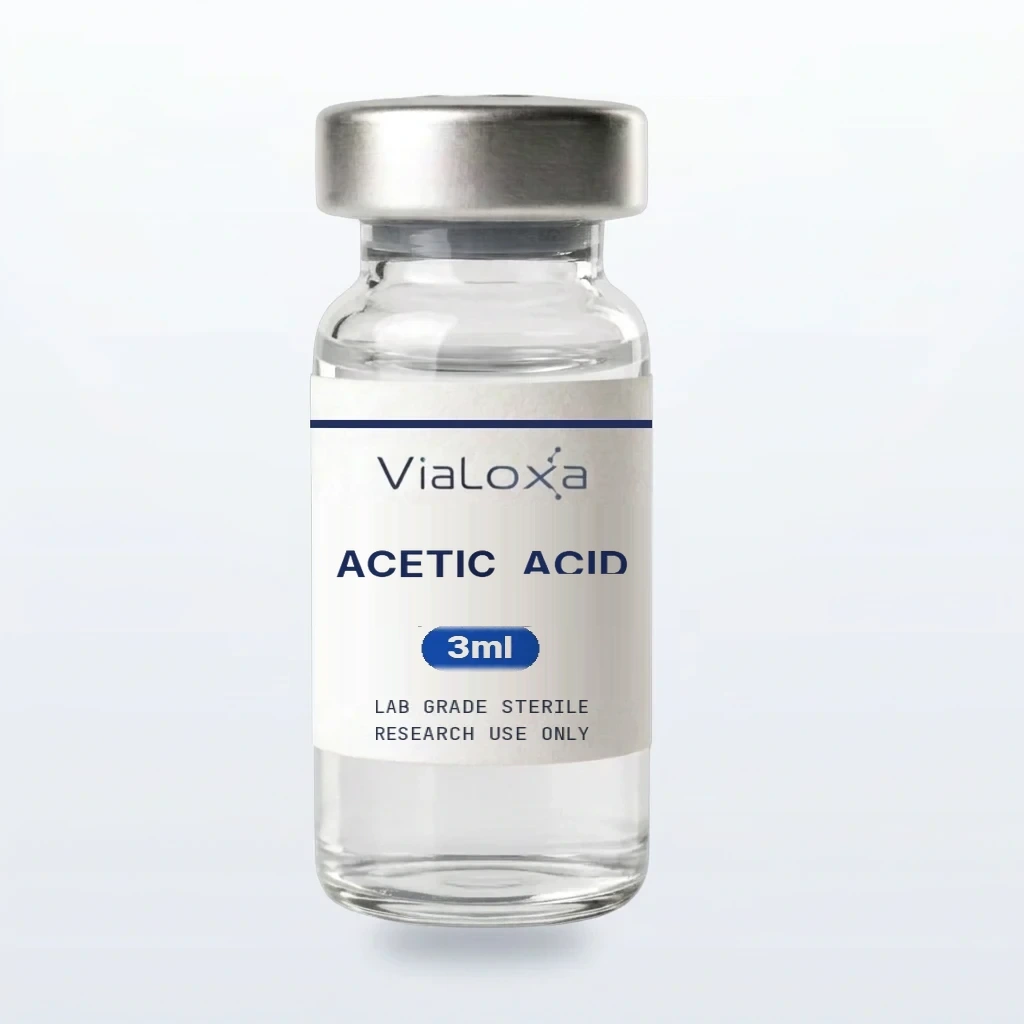
3ml Acetic Acid
3ml acetic acid for reconstitution of lyophilised references.
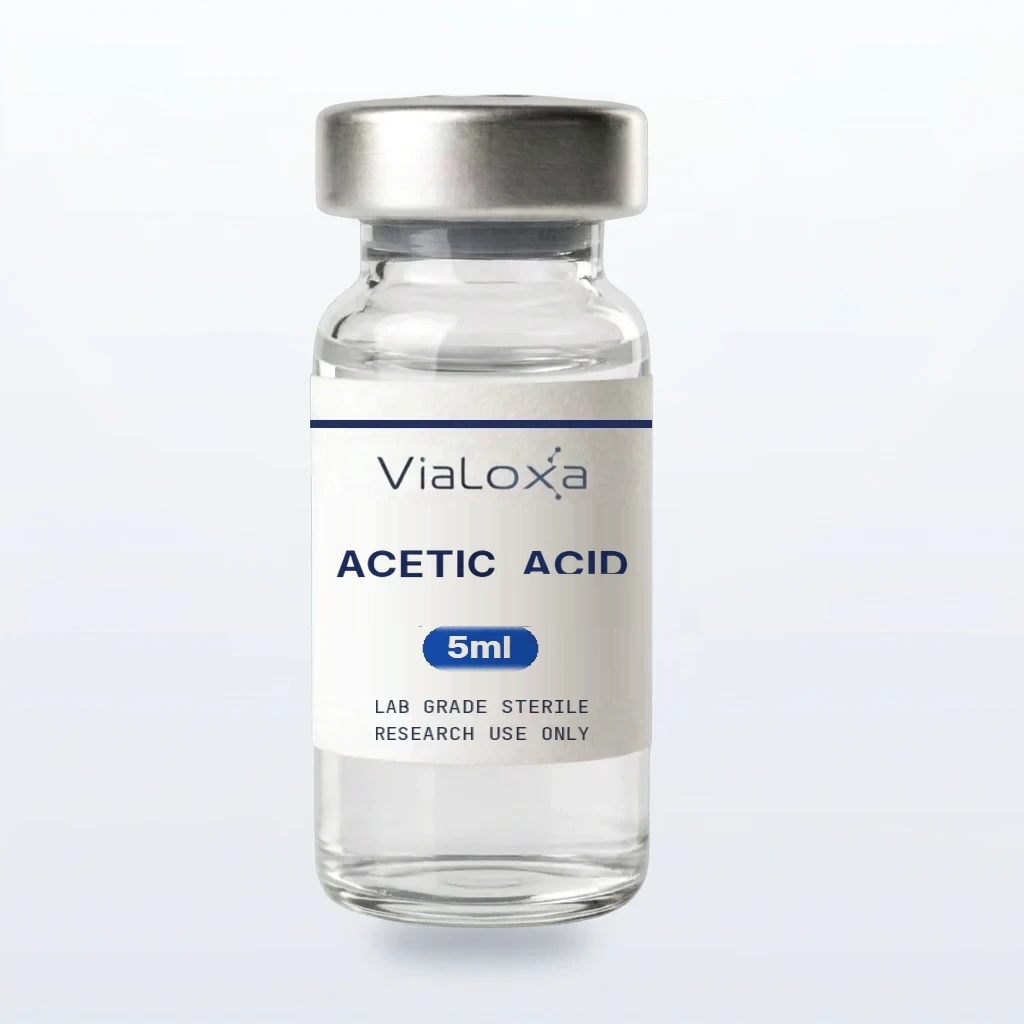
5ml Acetic Acid
5ml acetic acid for reconstitution of lyophilised references.
Lab Supplies, answered
- Which diluent should be used for a given peptide?
- Bacteriostatic water suits most lyophilised peptides, while sequences with poor aqueous solubility are commonly brought into solution with dilute acetic acid before further dilution. The appropriate choice depends on your protocol and the peptide's solubility profile.
- Has every laboratory supply product been independently tested?
- Yes. Every product has undergone independent HPLC and LC-MS testing, and certificates of analysis are available to view on the relevant product pages.
- How quickly are orders dispatched?
- Orders that clear payment before the daily cut-off are typically dispatched within 24 hours from the UK, with tracked delivery to the United Kingdom and the European Economic Area countries we serve.
- Can these compounds be used on humans or animals?
- No. Everything in this range is an unlicensed reference standard supplied for in-vitro laboratory research by qualified professionals only. Nothing we sell is a medicine, supplement or cosmetic.
Step-by-step laboratory guide to reconstituting lyophilised reference peptides with bacteriostatic water, including volume calculations and handling errors to avoid.
How to store lyophilised and reconstituted research peptides: temperature ranges, light and moisture control, freeze-thaw limits and realistic shelf-life expectations.